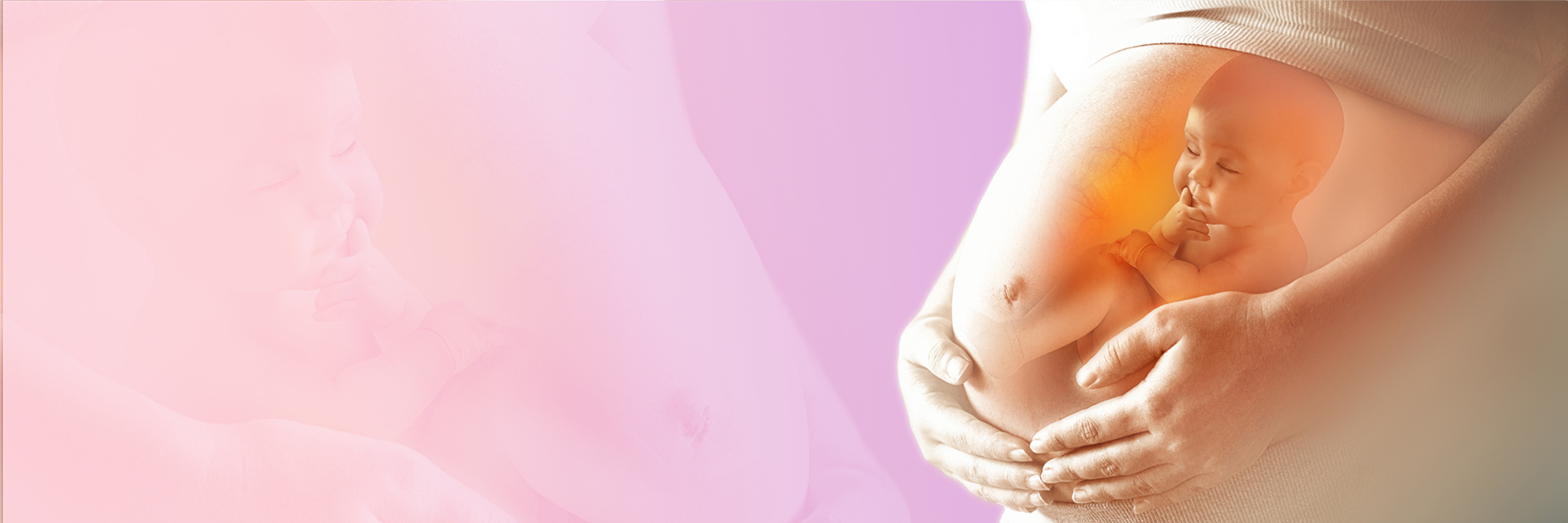
Your developing baby
Baby Movements
Feeling your baby move is a sign that they are well.
Most women usually begin to feel their baby move between 16 and 24 weeks. A baby’s movement can be described as anything from a kick, flutter, swish or roll.
How often should my baby move?
There is no set number of normal movements. Your baby will have their own pattern of movements that you should get to know. From 16-24 weeks on you should feel the baby move more and more up until 32 weeks then stay roughly the same until you give birth.
It is NOT TRUE that babies move less towards the end of pregnancy. You should CONTINUE to feel your baby move right up to the time you go into labour and whilst you are in labour too.
You must NOT WAIT until the next day to seek advice if you are worried about your baby’s movements.
If you think your baby’s movements have slowed down or stopped, contact your midwife or maternity unit immediately (it is staffed 24 hrs, 7 days a week).
DO NOT put off calling until the next day to see what happens. Don’t worry about phoning, it is important for your doctors and midwives to know if your baby’s movements have slowed down.
Do not use any hand held monitors, Dopplers or phone apps to check your baby’s heartbeat. Even if you detect a heartbeat, this does not mean your baby is well.
Why are my baby’s movements important?
A reduction in a baby’s movements can sometimes be an important warning sign that a baby is unwell. Around half of women who had a stillbirth noticed their baby’s movements had slowed down or stopped.
For more information on baby movements talk to your midwife.
Talking to your bump
Did you know?
- Your child starts to learn even before they are born. In fact, your baby learns more during pregnancy and the first 2 years compared to any other point in their life! Download your copy of speech and language cards here to support your baby’s speech development.
- Studies show the heart rate of your unborn baby increases when she hears her mother’s voice. This means your baby becomes more alert when you speak and is learning about language and sounds even before they are born.
- Your baby is able to recognise familiar sounds and voices they have heard during pregnancy. This can help soothe them after they are born.
It’s never too soon to talk to your baby. Babies are ready to learn even before they are born. Try and spend a few minutes a day talking and singing to your baby. It may feel silly having a one-sided conversation but the more you talk to your baby bump the more natural it will feel. Talking to your bump is easy to do and helps you build a bond with baby before s/he is here! Older siblings and dad can join in to and help give your baby a head start with language and learning.
Sandwell Family Information service offers advice and support on talking to your bump and your baby’s speech development, click here for more information.